
Dealing with Hard Water Issues in Ohio Pools
In many parts of Ohio, hard water is simply part of daily life. With groundwater naturally rich in calcium and magnesium, it’s not unusual for homeowners to face hard water in pools, especially in suburban and rural areas. While invisible at first, those minerals can take a toll on your pool’s appearance, efficiency, and long-term performance.
Left unaddressed, calcium buildup in pools can lead to cloudy water, stained surfaces, and stubborn scale that damages equipment. That’s why understanding pool water chemistry in Ohio is essential for both the aesthetics and functionality of your pool. This guide will walk you through how to identify hard water problems, treat them effectively, and prevent future issues from surfacing.
Signs your pool has hard water problems
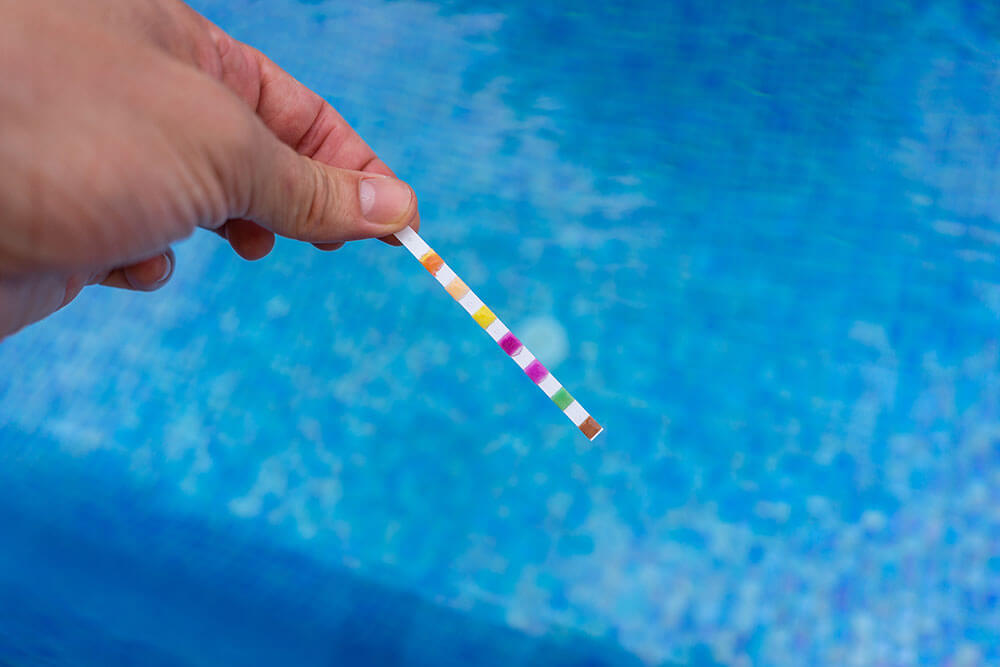
Not sure if hard water is affecting your pool? Watch for these warning signs:
- White scale on tiles, ladders, and pool equipment
- Cloudy or dull water, often resistant to pH balance adjustments
- Reduced heater and pump efficiency, typically caused by mineral buildup in pipes and filters
These issues often go beyond cosmetics; they can strain your equipment and increase operating costs.
Treatment options: balancing and softening
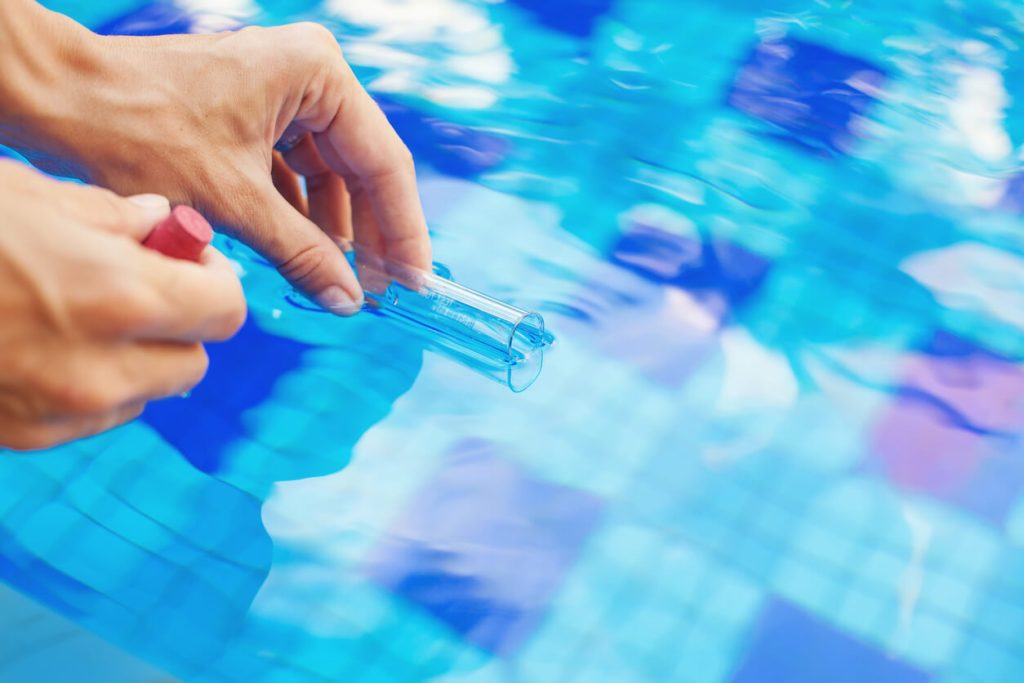
Fixing hard water in pools begins with restoring chemical balance. Key strategies include:
- Adding sequestrants: These specialized chemicals bind calcium and prevent it from forming scale.
- Diluting with fresh water: If calcium levels are extreme, partial draining and refilling may be necessary.
- Carefully lowering calcium hardness: Work with a pro to bring levels into the safe 200–400 ppm range without shocking the system.
When it comes to treating hard water in swimming pools, consistency is key. Gradual adjustments are safer than quick fixes.
Best practices for preventing future buildup
Prevention starts with awareness. Here’s how to keep hard water from damaging your pool:
- Test regularly: Monitor calcium hardness, pH, and total alkalinity, especially after storms or topping off the pool.
- Use the right products: Avoid high-calcium chlorine options.
- Seasonal care: Before winterization and after spring opening, inspect for scaling and treat proactively.
Our experts recommend a balanced schedule of testing and treatment throughout Ohio’s four-season climate, where fluctuating temperatures can intensify mineral problems.
When to call a pool professional
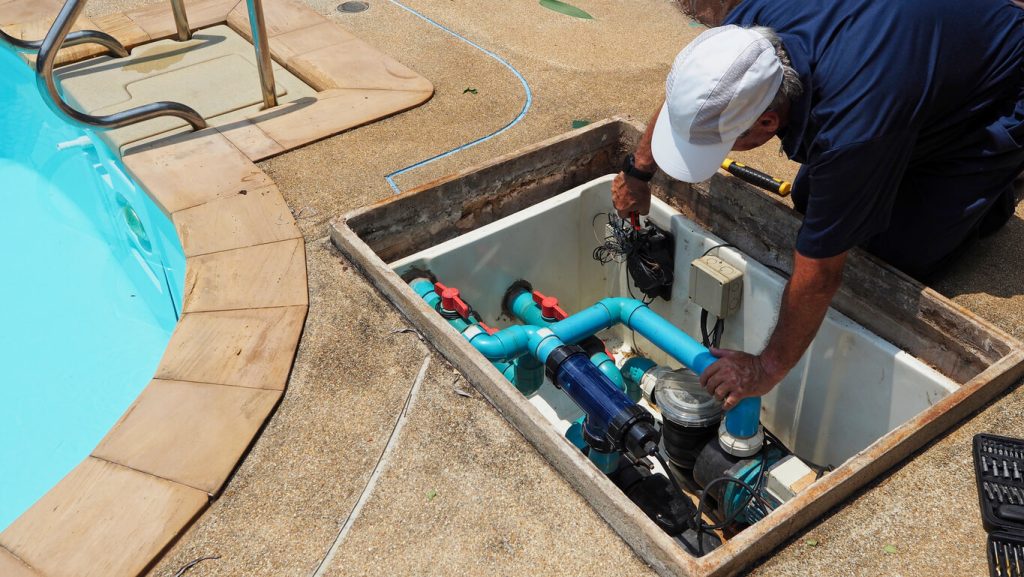
Some issues call for more than a DIY approach. Contact High Tech Pools if you notice:
- Heavy scale on plaster, tile, or equipment that’s difficult to remove
- Persistent chemical imbalance even after adjustments
- Reduced efficiency in heaters or filters that may signal mineral clogs
We offer advanced water testing, pool calcium hardness solutions, and full-scale treatment plans designed for Ohio’s unique conditions. Whether you’re troubleshooting scale or upgrading your Ohio pool maintenance routine, our team is here to help you keep your pool safe, efficient, and looking its best.
Ready to tackle hard water issues the right way? Contact High Tech Pools today for expert guidance on how to fix pool scaling and protect your investment year-round.