
Preparing Your Pool for Ohio’s Winter: Essential Steps
As summer fades and temperatures start to dip, pool winterization in Ohio is an essential task for homeowners who want to protect their pool and extend its longevity. Winter can be tough on pools—especially when freezing temps, snow, and ice roll in. Failing to properly close your pool can lead to costly repairs, damaged equipment, and murky spring water that takes weeks to fix.
Fortunately, we’ve put together this guide to walk you through the process of winterizing a pool in the Midwest climate, while highlighting why professional pool closing services in Ohio are your best bet for protecting your investment.
Why winterizing your pool in Ohio is non-negotiable
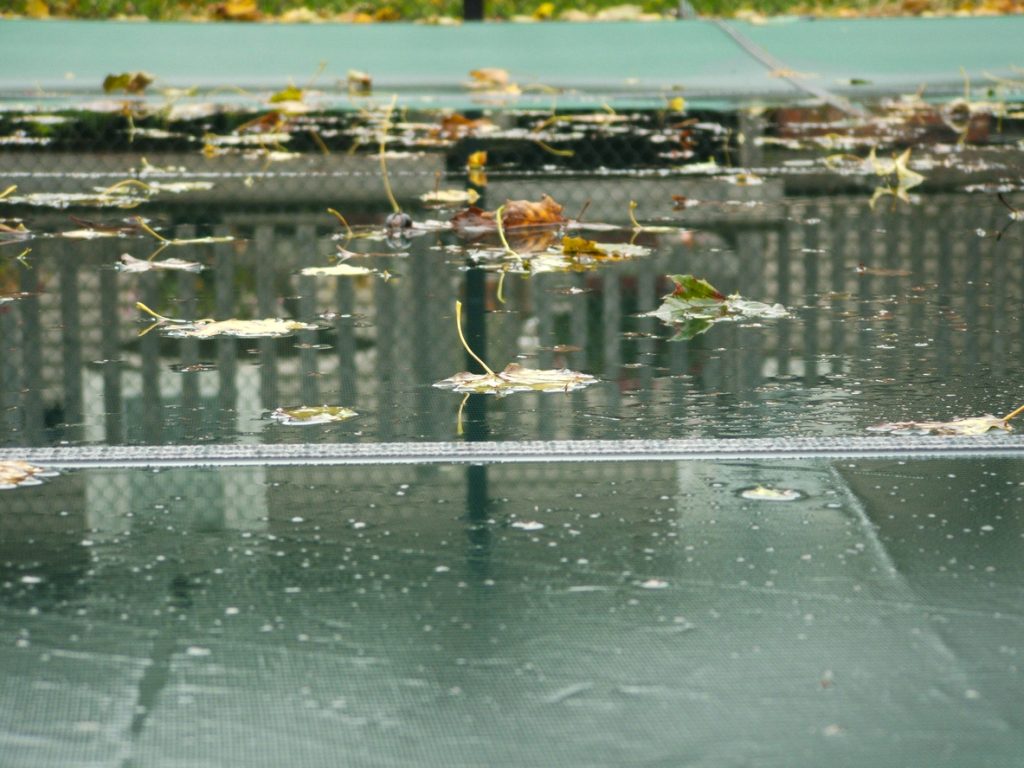
Ohio’s cold winters pose real threats to unprotected pools. Here’s what can happen if you skip or improperly perform winterization:
- Freezing risks: Ice expansion can crack plumbing lines, burst filters, and damage pool surfaces.
- Debris and algae: Leaves, dirt, and algae thrive in uncovered or chemically imbalanced pools.
- Equipment failure: Pumps, heaters, and filters can be destroyed if water isn’t fully drained or lines aren’t blown out.
- Insurance gaps: Many homeowner policies exclude coverage for damage caused by neglect or improper seasonal prep.
A thorough winterization plan prevents these issues—and saves you time and money come spring.
Step-by-step guide to winterizing your pool

While DIY guides exist, true winter protection comes from the expertise of trained technicians. Here’s what proper winterization includes:
- Balance and shock the water
Adjust pH, total alkalinity, and calcium hardness. Shock the pool to eliminate bacteria before long-term stagnation. - Lower the water level
Water should sit below skimmers and tile lines to prevent freeze damage. Professionals adjust based on your specific pool and cover system. - Clean and vacuum thoroughly
Debris left behind will stain pool surfaces and disrupt water balance. A full clean includes wall brushing and scum removal. - Drain pool equipment
All pumps, filters, heaters, and lines must be drained and often blown out with air. Hidden water pockets are a common DIY mistake that can lead to cracked pipes. - Add winterizing chemicals
Algaecides, stain preventers, and non-chlorine shock are added based on your pool’s volume and surface. Proper dosage is key. - Cover the pool properly
A tightly secured safety or winter cover keeps out debris and prevents water accumulation. Loose or poorly-fitted covers create more problems than they solve.
Trust our pool experts for thorough winterization from start to finish to ensure each of these steps is executed correctly.
Why professional pool closing services are worth it
Closing a pool properly isn’t just about following a checklist—it’s about understanding how your unique system behaves in freezing temperatures. Here’s why working with High- Tech Pools makes all the difference:
- Avoid costly mistakes: Small oversights can result in thousands of dollars in repairs.
- Tailored service: Every pool is different. Our team considers equipment, size, and materials when closing your system.
- Save time: We get it done efficiently, so you can enjoy your fall without added stress.
- Peace of mind: Our seasonal services are backed by warranties and the assurance that your pool is protected until spring.
Book your winter pool closing with High- Tech Pools before the first frost hits. Schedule your service now.
When to winterize in Ohio
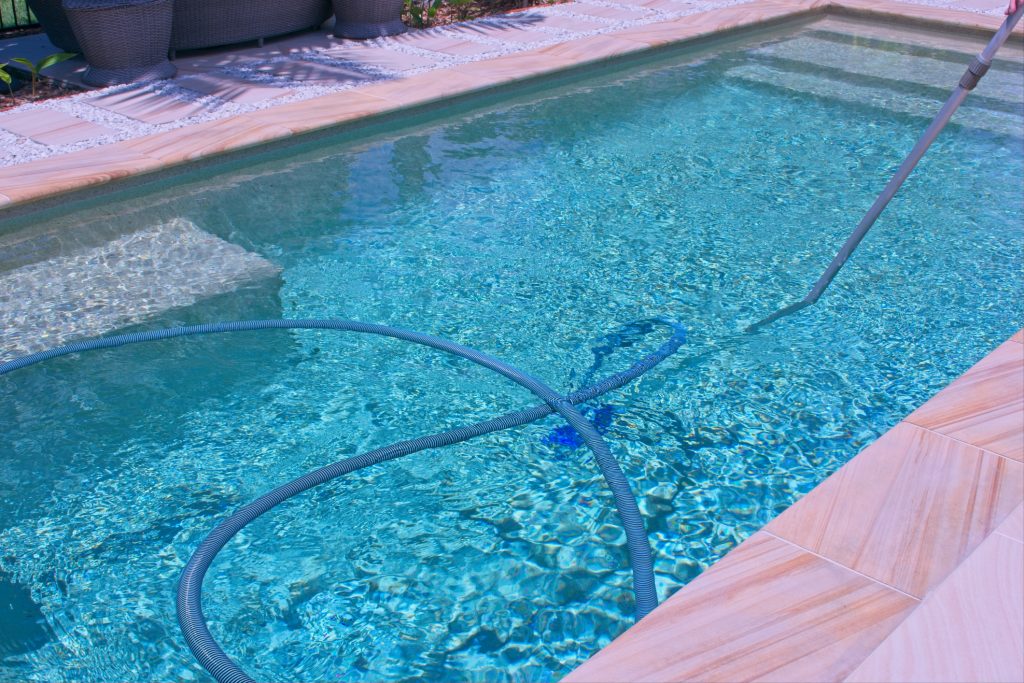
Timing is everything. Aim to winterize between mid-September and late October—before nighttime temperatures drop consistently below freezing.
- Too early? You risk algae growth in warm water.
- Too late? You increase the chance of freeze damage.
If you’re unsure about the ideal timing, consult with our experts for tailored advice.
By trusting High- Tech Pools with your winter pool care, you’re protecting more than your backyard investment—you’re preserving peace of mind. For more seasonal tips, explore our blog post on “How Weather Affects Pool Maintenance Schedules.”